The Ultimate Guide to Collecting Movie Posters: History, Value & Display Tips
The lights dim, the iconic studio logo fades, and then, a shimmering image explodes onto the screen. Before digital trailers and viral marketing, this was the moment that first captivated audiences – the movie poster. Far more than just an advertisement, these vibrant pieces of cinematic art are windows into film history, powerful cultural artifacts, and now, highly sought-after collector’s items.
If you’ve ever found yourself lingering in the lobby, admiring the striking visuals that promised an adventure, a romance, or a fright, you’re not alone. Collecting movie postersis a passion that blends a love for film, an appreciation for graphic design, and a savvy eye for investment. From the golden age of Hollywood to modern blockbusters, each poster tells a story, not just of the film it promotes, but of the era it represents.
But where do you begin your journey into this fascinating world? What makes a poster valuable? And how do you ensure you’re collecting authentic film posters that will stand the test of time, both aesthetically and financially? This comprehensive guide will illuminate the path, transforming you from a casual admirer into a connoisseur of your own silver screen movie poster collection.
Why Embark on the Journey of Collecting Movie Posters?
The allure of collecting film posters extends beyond mere fandom. It’s a multi-faceted hobby that offers rich rewards:
- A Tangible Connection to Film History: Each original movie poster is a direct link to the cinematic past. It’s a piece of the magic that hung in theater lobbies, enticing audiences decades ago. Owning one means holding a tangible fragment of a film’s legacy and the cultural moment it occupied.
- Artistic Merit: Many movie posters are works of art in their own right, created by celebrated graphic designers and illustrators. From Saul Bass’s iconic minimalist designs to Drew Struzan’s painterly masterpieces, these posters often transcend their promotional purpose, becoming recognized pieces of visual culture.
- Pop Culture Investment: As film continues to dominate our collective consciousness, vintage movie posters and those from culturally significant films have seen their value skyrocket. They are increasingly recognized as legitimate assets within the art and collectibles market, offering potential for significant appreciation.
- Personal Expression: Your collection can be deeply personal, reflecting your taste in film, your favorite genres, directors, or actors. It’s a way to surround yourself with the stories and aesthetics that inspire you.
- Conservation of History: By collecting and properly preserving these posters, you are playing a vital role in safeguarding a unique aspect of advertising, art, and film history.
The Foundation: Understanding Movie Poster Types and Formats
Before you can start collecting vintage film posters or modern classics, it’s crucial to understand the language of the trade. Not all “movie posters” are created equal.
Original vs. Reproduction Posters: The Golden Rule
This is the single most important distinction.
- Original Movie Posters: These are posters that were printed by the film studios or their authorized printers for the express purpose of promoting a film’s initial theatrical release. They were distributed directly to cinemas. These are what collectors seek and what hold significant value.
- Reproduction Posters: These are copies made after the film’s original release, often for decorative purposes, without studio authorization for theatrical display. They have little to no collector’s value, though they can be perfectly fine for casual wall decor. Always ensure you are buying original if you intend to collect.
Common Movie Poster Formats and Sizes
Original posters came in various sizes, each with a specific purpose. Understanding these helps in identifying and valuing them.
- One Sheet (27×41 inches, later 27×40 inches): This is the quintessential movie poster format, easily the most common and recognizable. It’s the standard size we typically envision when we think of a movie poster. Historically, they were folded for distribution, but modern one sheets are typically rolled.
- Half Sheet (22×28 inches): Printed on thicker card stock, these often featured different artwork than the one-sheet and were displayed in theater lobbies or on easels. They were typically rolled.
- Insert (14×36 inches): Also printed on card stock, these tall, narrow posters were often displayed in glass cases within the lobby. They typically featured a portrait-oriented design.
- Lobby Cards (11×14 inches): Distributed in sets of eight (sometimes more or less), these were smaller, thick card stock posters featuring scenes from the film, often with a title card and a credit block. They were displayed in a lobby card display case. Collecting lobby cards is a popular entry point due to their smaller size and often lower price point, yet they retain historical significance.
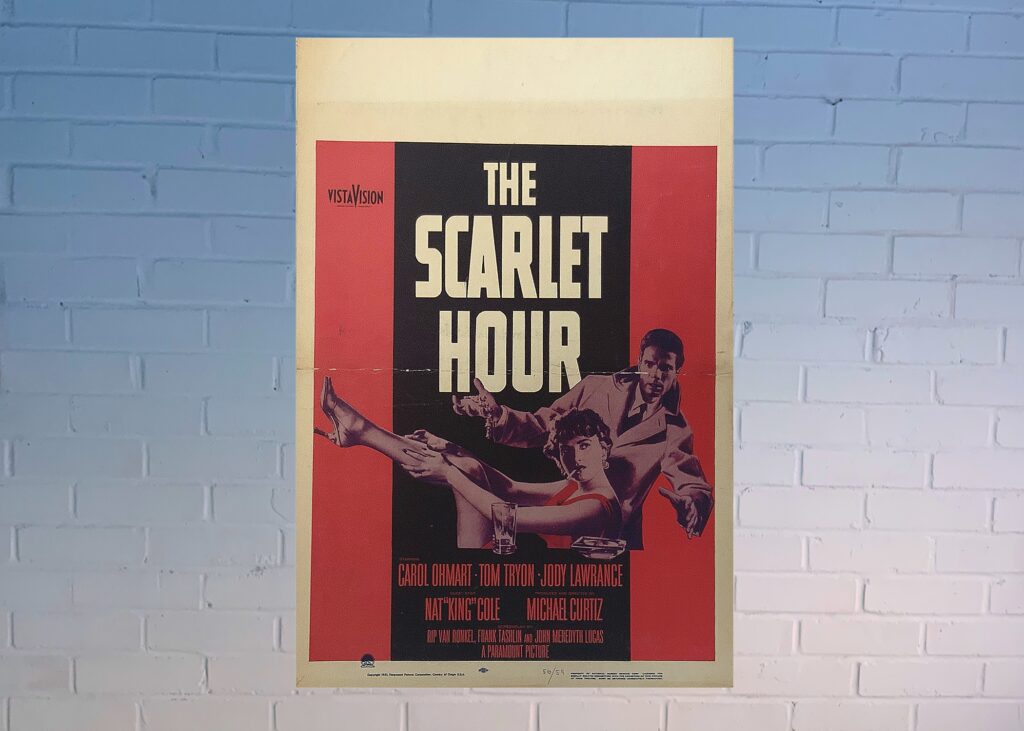
- Window Card (14×22 inches): These were printed on card stock with a blank white space at the top, intended for local businesses to write in the specific theater name and showtimes.
- Three Sheet (41×81 inches), Six Sheet (81×81 inches), 24 Sheet Billboards (ca. 9.5×21 feet): These massive posters were designed for outdoor display, often pieced together from multiple segments. Their large size makes them rare and challenging to collect or display.
- International Formats: Different countries had their own standard sizes and unique artwork.
- Japanese B0, B1, B2 (B2 being common at 20×28 inches): Often vibrant and distinctive, Japanese posters are highly sought after.
- French Grande (47×63 inches): Large and often featuring exquisite artwork, these are a favorite among collectors.
- British Quads (30×40 inches): Generally horizontal in orientation, these often presented a different design aesthetic.
- Italian Foglio (varying sizes, often 27×39 inches), Due Fogli (39×55 inches), Quattro Fogli (55×78 inches): Italian posters are renowned for their dynamic, artistic style.
What Makes a Movie Poster Truly Collectible? Factors Influencing Value
Not every original film poster will become a valuable asset. Several factors converge to determine a poster’s desirability and market price.
- Rarity and Scarcity: This is paramount. Posters from obscure films with limited distribution, or those that were printed in small quantities and few copies survived, can be extremely valuable. Conversely, posters from popular films printed in vast numbers might be less rare, but still valuable due to demand. Posters from films where the original release was pulled or controversial can also be scarce.
- Condition and Grading: Like all paper collectibles, condition is king. A universal grading scale (C1-C10, with C10 being mint and C1 being poor) is used by reputable dealers. Flaws like tears, pinholes, creasing, staining, fading, and paper loss significantly impact value.
- Linen Backing: This is a crucial aspect of preservation and restoration. It’s a professional process where a paper poster is mounted onto linen canvas, often with an acid-free tissue layer in between, to stabilize the paper, flatten folds, and allow for restoration of tears and touch-ups to color. A linen-backed poster, even one with prior damage, is often more desirable and valuable than an unrestored, damaged one, as it ensures long-term preservation.
- Artwork and Aesthetic Appeal: An iconic image, compelling graphic design, or artwork by a famous illustrator can dramatically increase a poster’s value, regardless of the film’s success. Think of the instantly recognizable imagery for Star Wars, Jaws, Metropolis, or Vertigo.
- Film Significance: Posters for critically acclaimed films, Academy Award winners, cult classics, groundbreaking genre films, or mega-blockbusters are almost always more valuable. The cultural impact of the film directly translates to the poster’s desirability.
- Star Power and Director: Posters featuring legendary stars (Humphrey Bogart, Marilyn Monroe, James Dean, Audrey Hepburn) or iconic directors (Alfred Hitchcock, Stanley Kubrick, Steven Spielberg, Martin Scorsese) often carry a premium.
- Promotional Quirks/Variations: Sometimes, a studio might release multiple versions of a poster for the same film (e.g., “Style A,” “Style B”). Rare or alternative designs can be highly sought after. Advance posters, teaser posters, or even posters with incorrect information (later corrected) can also command higher prices.
- Provenance and Authentication: Knowing the poster’s history – where it came from, who previously owned it – can add to its value and provide assurance of its authenticity. Reputable dealers often provide certificates of authenticity (COAs), though it’s important to remember that the dealer’s reputation is often more valuable than the COA itself.
Where to Begin Your Collection: The “What to Collect” Section
With so many options, deciding what movie posters to collect can feel overwhelming. Here’s how to navigate the vast cinematic universe:
1. Follow Your Passion: Collect What You Love
The most important rule in movie poster collecting is to collect what genuinely excites you. If you love horror films, build a collection of classic horror posters. If you’re fascinated by the films of the 1970s, focus on that era. A collection built on genuine affection will bring you the most joy, regardless of market value.
- Genre Focus:
- Classic Horror: Frankenstein, Dracula, The Wolf Man, The Exorcist, Halloween. These posters are often visually striking and highly valuable.
- Science Fiction: Metropolis, 2001: A Space Odyssey, Star Wars, Blade Runner. Sci-fi posters frequently feature innovative and imaginative artwork.
- Film Noir: The Maltese Falcon, Double Indemnity, Sunset Boulevard. Known for their stark, atmospheric designs.
- Musicals/Comedy: Singin’ in the Rain, Some Like It Hot. Can be incredibly vibrant and cheerful.
- Westerns: The Searchers, High Noon, The Good, the Bad and the Ugly. Often depict rugged landscapes and heroic figures.
- Director or Actor Focused: Create a collection around the filmography of your favorite director (e.g., posters for all of Kubrick’s films) or an iconic actor (e.g., posters featuring Marilyn Monroe).
- Era Specific: Dive into the Golden Age of Hollywood (1930s-1950s), the New Hollywood era (1960s-1970s), or even a specific year that holds significance for you.
- Artist-Driven: Some collectors focus on the work of specific poster artists, such as Saul Bass, Robert McGinnis, Bob Peak, or Drew Struzan.
- International Collecting: Explore the unique aesthetics of Japanese movie posters, French Grande posters, or Italian film posters. Their distinct designs can offer a fresh perspective and often come with different availability and pricing.
2. Starting Small & Smart: Entry Points for New Collectors
You don’t need to break the bank to start a meaningful collection.
- Lobby Cards and Half Sheets: These smaller formats are generally more affordable than one-sheets but retain significant historical value. They’re also easier to store and display.
- Window Cards: Often overlooked, these can be charming and relatively inexpensive, offering a direct link to local movie-going history.
- Less-Known Films with Great Art: Don’t just chase blockbusters. Many smaller, independent, or foreign films have incredibly beautiful and artistic posters that may be more affordable.
- Target Specific Release Years: Look for posters from a year close to your birth year, or a significant historical year, which can add a personal dimension.
- “Sleepers” and Undervalued Genres: Keep an eye out for films that might grow in cult status or appreciation over time. Sometimes, a genre that’s currently out of vogue might offer great value.
3. The Investment Perspective: What Posters Gain Value?
While passion should drive your collection, understanding the investment potential is a smart move. Posters that tend to appreciate in value typically combine several factors:
- Iconic Films with Enduring Cultural Relevance: Star Wars, James Bond, The Godfather, Casablanca, Gone With the Wind, Jaws, E.T. These films are timeless, and their original posters remain in high demand.
- Groundbreaking or Landmark Films: Posters for films that broke barriers, introduced new cinematic techniques, or significantly influenced pop culture (e.g., early sci-fi, horror, or counter-culture films).
- Exceptional Artwork: Posters with designs considered artistic masterpieces. These posters transcend the film itself and are valued for their aesthetic beauty.
- Rarity and Excellent Condition: As always, scarce posters in top condition will command the highest prices. For vintage posters, an expertly linen-backed piece can be very desirable.
- First Release Posters: Posters from a film’s initial theatrical release are always more valuable than re-release posters, even if the re-release is still decades old. Look for indicators like “Year” or “R” (for Re-release) in the lower margin.
The Practicalities: Acquiring, Caring For, and Displaying Your Collection
Once you know what you want to collect, the next steps involve careful acquisition and diligent preservation.
Where to Buy Original Movie Posters
Finding authentic posters requires diligence and a trusted network.
- Reputable Dealers: This is often the safest starting point. Dealers specialize in authentication and often offer guarantees. Look for established businesses with strong online reviews and a physical presence at conventions or art fairs.
- Specialized Online Auction Houses:
- Heritage Auctions: A premier destination for investment-grade movie posters, offering high-value pieces.
- eMoviePoster.com: Known for its daily auctions, offering a vast range of posters at various price points, from common to rare.
- Posteritati: A well-regarded gallery specializing in vintage film posters, particularly international designs.
- Online Marketplaces (with caution): eBay, Etsy, and other sites can have great finds, but the risk of fakes is higher. Always scrutinize photos, ask for detailed condition reports, and research the seller’s reputation extensively. Be wary of prices that seem too good to be true.
- Film Conventions and Collectibles Shows: These events allow you to see posters in person, inspect their condition, and talk directly with dealers.
- Estate Sales and Flea Markets (Rarely): While a “barn find” is every collector’s dream, it’s increasingly rare to find truly valuable original posters in these venues, and authentication can be difficult.
Authentication: Your Best Defense Against Fakes
- Know Your Printer’s Marks: Original U.S. posters often have printer’s union logos, studio codes, or National Screen Service (NSS) numbers in the lower margin. Researching these can help identify authenticity and print runs.
- Paper Stock: Original posters were printed on specific paper stocks. Learn to recognize the feel and texture of genuine vintage poster paper.
- Image Sharpness: Reproductions often have a slightly pixelated or blurry appearance compared to the sharp resolution of an original.
- Seek Expert Advice: If you’re unsure, consult a professional authenticator or a highly experienced dealer before making a significant purchase.
Care and Preservation: Protecting Your Treasures
Proper care is paramount to maintaining your poster’s condition and value.
- Storage:
- Flat Storage is Best: For un-backed posters, flat storage in acid-free portfolio boxes or archival flat files is ideal.
- Rolling (with caution): If rolling, use acid-free tubes of a wide diameter to prevent tight curling.
- Environment: Store in a dark, dry, climate-controlled environment (stable temperature and humidity) away from direct sunlight, extreme heat, or moisture. Attics and basements are generally unsuitable.
- Linen Backing: As mentioned, this professional process stabilizes the poster, allowing for repair of tears, folds, and minor paper loss, and helps flatten the poster for display. It’s an investment, but often worthwhile for valuable pieces.
- Handling: Always handle posters with clean, dry hands (preferably wearing cotton gloves) and support them fully to prevent creasing or tearing. Avoid touching the printed surface.
- Restoration: For significant damage, seek out a professional paper conservator specializing in movie posters. They can perform miracles, but understand that restoration, while preserving the piece, can sometimes be detectable and may slightly affect value compared to a pristine, unrestored example.
Displaying Your Collection: Showcase Your Cinematic Art
Once preserved, you’ll want to display your posters proudly.
- Archival Framing: This is essential for any poster you put on display.
- Acid-Free Materials: Ensure all matting, backing boards, and hinge tapes are acid-free to prevent damage to the paper.
- UV-Protective Glazing: Use UV-filtering glass or acrylic (plexiglass) to protect the poster from harmful ultraviolet light, which causes fading.
- Avoid Direct Sunlight: Even with UV protection, direct sunlight is the enemy of paper. Choose a display location away from windows or harsh light.
- Professional Framer: Invest in a reputable custom framer who understands archival practices.
Conclusion: Your Silver Screen Awaits
Collecting movie posters is a deeply rewarding endeavor, a journey through cinematic history, artistic expression, and personal passion. From the exhilaration of finding a rare gem to the quiet satisfaction of admiring a beautifully framed piece of art, the hobby offers endless fascination.