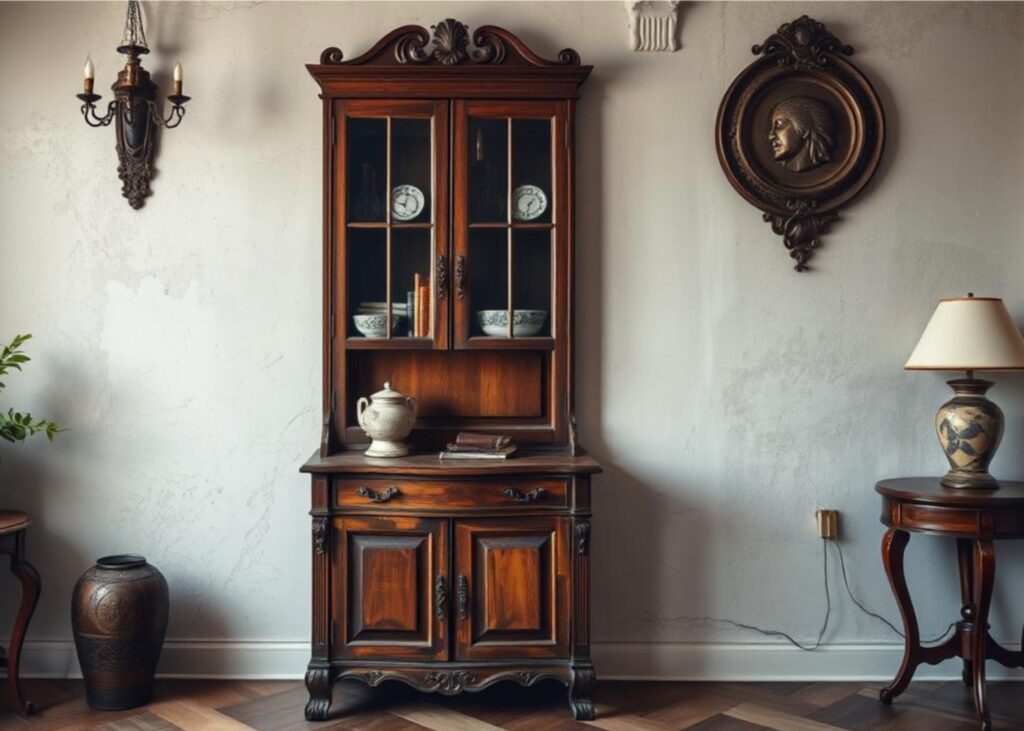
Mixing Antique & Contemporary: How to Blend Old with New Elegantly
In an era dominated by fleeting trends, there’s a timeless allure to a home that feels both rooted in history and effortlessly current. The secret? Mastering the art of blending antique and contemporary design. Far from being a mere jumble of disparate objects, a truly elegant mix of old and new creates a space brimming with character, depth, and a unique story. It’s about cultivating an eclectic style that transcends time, reflecting your personal journey rather than just a catalog page.
But how do you achieve this harmonious balance without your home looking like a museum attic or a sterile showroom? This comprehensive guide will walk you through the philosophy, principles, and practical interior design tips to elegantly integrate antique furniture and modern elements, forging a truly timeless decor.
Why Blend Old & New? The Philosophy Behind Eclectic Elegance
The desire to mix old with new isn’t just a design trend; it’s a profound approach to creating a home that resonates on multiple levels.
- Adds Character, Depth, and Storytelling: Every vintage find and heirloom piececarries a history, a whisper of past lives and craftsmanship. When juxtaposed with sleek, modern interiors, these objects don’t just furnish a room; they tell a story, adding layers of personality and intrigue that new pieces alone often cannot.
- Personal Expression & Authenticity: Your home should be a reflection of you. Blending old and new allows for a deeply personal aesthetic, showcasing your tastes, travels, and cherished memories. It moves beyond generic styles, creating a genuinely curated home that feels authentic and lived-in.
- Sustainability & Valuing Craftsmanship: In an increasingly disposable world, incorporating antique furniture and vintage finds is an inherently sustainable choice. It celebrates enduring quality and craftsmanship, giving new life to finely made objects and reducing consumption.
- Breaks Monotony & Avoids Sterility: Relying solely on one design era can lead to a flat, predictable, or even cold environment. An eclectic style injects visual interest and dynamic tension, preventing spaces from feeling overly themed or sterile.
- Timeless Appeal: Trends come and go, but a thoughtfully mixed style possesses an inherent longevity. By carefully selecting pieces that complement rather than compete, you create a look that remains fresh and elegant for years to come.
Fundamental Principles for a Harmonious Mix
Achieving a sophisticated blend of old and new isn’t about throwing things together randomly. It’s about intentional design choices guided by key principles.
1. Find a Common Thread: The Unifying Element
The most crucial step in integrating old and new is establishing a cohesive element that links disparate pieces. This “common thread” prevents your space from feeling chaotic.
- Color Palette: This is often the easiest and most effective unifying tool. Choose a limited, overarching color palette (e.g., neutrals with one or two accent colors) for your walls, larger furniture, and key accessories. Even if an antique chair has an ornate carving and a modern sofa is minimalist, a shared color or tonal family will connect them.
- Materiality: Look for common textures or materials. Perhaps all your wood pieces share a similar stain or tone, or you consistently use metals like brass or steel throughout. A modern glass coffee table can harmonise with an antique wooden chest if both share a similar warm or cool undertone in their surrounding elements.
- Scale & Proportion: Ensure pieces relate well to one another in size. A tiny antique side table might get lost next to an oversized contemporary design sofa. While contrast is good, extreme disparities can look awkward.
- Theme/Vibe: Perhaps your common thread isn’t visual but atmospheric. Are you aiming for a sophisticated urban feel, a cozy bohemian retreat, or a casual industrial chic? Let this overall mood guide your selections.
2. Embrace Contrast, Not Conflict
The magic of mixing styles lies in the interplay of differences. A sleek, minimalist modern interior actually highlights the intricate details of an antique furniture piece.
- Opposites Attract: Pair a rustic, distressed farm table with ultra-modern, molded plastic chairs. Place an ornate, gilded mirror above a clean-lined, contemporary console. The contrast makes both elements stand out and appreciate their unique qualities.
- Texture Play: Combine rough, natural textures (e.g., woven baskets, raw wood) with smooth, polished surfaces (e.g., lacquered furniture, glass). This adds tactile interest and depth.
- Period Juxtaposition: Don’t be afraid to put a mid-century modern credenza in a room with a Victorian fireplace. The unexpected pairing is what makes the space engaging.
3. Less is More: Curated vs. Cluttered
This principle is vital for eclectic style. The goal is a curated collection, not a cluttered mess.
- Be Selective: Not every vintage find needs a place in your home. Choose statement pieces that truly speak to you and have a strong presence. Each item should earn its spot.
- Allow Breathing Room: Don’t overcrowd your space. Give each significant piece enough breathing room to be admired. Negative space is as important as the objects themselves.
- Avoid Over-Theming: Trying too hard to replicate a specific period or “look” can make your home feel inauthentic. Let the blend evolve organically.
4. Prioritize Functionality
Regardless of age or aesthetic, every piece in your home should serve a purpose or bring joy.
- Modern Needs, Antique Solutions: An antique chest of drawers can be an excellent media console, but ensure its dimensions work for your electronics. An old trunk can serve as a coffee table with added storage.
- Comfort is Key: An antique chair may be beautiful, but if it’s uncomfortable, it won’t be used. Consider reupholstering or adding modern cushions to make older pieces more functional for today’s living.
5. Trust Your Instincts & Personal Style
Ultimately, the most important design principle is your own taste.
- Experiment: Don’t be afraid to try different arrangements. Move pieces around, live with them for a while, and see how they feel.
- What Sparks Joy? Choose pieces that genuinely make you happy, regardless of whether they fit a strict design rule. This is how a truly personal style emerges.
Practical Strategies & Actionable Tips for Elegantly Integrating Old and New
Now, let’s get into the specifics of how to apply these principles across various elements of your home decor.
1. The “One Statement Piece” Rule
If you’re new to mixing styles, start simple. Introduce one significant antique furniturepiece into an otherwise modern interior design, or vice versa.
- Example: A grand, ornate antique chandelier can be a breathtaking focal point in a sleek, minimalist dining room. Similarly, a contemporary abstract painting can dramatically update a classically decorated living room. This clear contrast makes the “statement piece” truly pop.
2. Furniture Placement & Pairing
This is where the magic truly happens.
- Sofas & Armchairs: Pair a clean-lined, modern sofa with antique side tables. Or, take an antique fauteuil or bergère chair and reupholster it in a contemporary fabric (velvet, geometric print, or a bold solid color) to give it new life.
- Tables: A rustic farm table becomes instantly current when surrounded by modern dining chairs (think Eames, wishbone, or ghost chairs). A minimalist modern coffee table can beautifully display a collection of antique books or trinkets.
- Storage: An imposing antique armoire can be repurposed as a stylish bar cabinet, a media center, or extra closet space. Supplement with modern modular shelving for a balanced look.
- Desks: An antique writing desk in a sleek home office can add gravitas and warmth, especially when paired with a modern ergonomic chair and contemporary lighting.
3. Material & Texture Play
Engage the senses by mixing different materials and textures.
- Wood Tones: While a unifying wood tone can work, don’t shy away from mixing different types of wood (e.g., dark mahogany with light oak). The key is to ensure other elements (like color) tie them together.
- Metals: Combine warm metals (brass, gold) with cool ones (chrome, steel, black iron). An antique brass lamp on a modern console, or a sleek steel frame holding an antique tapestry, creates sophisticated contrast.
- Fabrics: Place a plush, contemporary velvet throw on an antique wooden bench. Use linen drapes in a room featuring heavy antique brocade upholstery. The juxtaposition adds richness.
4. Color Palette Mastery
Your color palette is the glue that holds everything together.
- Neutral Backgrounds: Painting walls in neutral tones (whites, grays, soft beiges) provides a calm, unifying backdrop that allows diverse antique and contemporarypieces to shine without clashing.
- Pops of Color: Introduce vibrant, modern colors through contemporary art, throw pillows, or a single accent chair. These pops can draw the eye and inject energy into the space.
- Cohesive Accent: Choose one or two accent colors and repeat them subtly throughout the room in both old and new elements (e.g., a contemporary vase matching a pattern in an antique rug).
5. Lighting as a Bridge
Lighting is a powerful tool for bridging design eras.
- Modern Lights in Old Spaces: A contemporary pendant light can instantly update a traditional room. Recessed lighting can provide a clean backdrop, allowing older fixtures to become decorative elements.
- Vintage Lights in New Spaces: Industrial-style vintage pendants can add an edgy, aged feel to a brand-new kitchen. Antique lamps (potentially rewired) with modern shades can bring warmth and character to a contemporary living room.
- Layered Lighting: Combine historical fixtures (like an antique chandelier) with modern task lighting and ambient lighting for a sophisticated, functional illumination plan.
6. Art & Accessories: The Finishing Touches
This is where you truly personalize your home decor inspiration.
- Art: Hang a bold, abstract modern art piece above a traditional fireplace. Create a gallery wall that mixes family photos, vintage prints, and contemporary illustrations. The contrast between old and new art forms is visually exciting.
- Mirrors: An elaborate, gilded antique mirror can be stunning in a minimalist entryway or above a modern dresser. Conversely, a sleek, frameless modern mirror can update a period bathroom.
- Vases & Decorative Objects: Place a collection of minimalist modern ceramics next to antique silver trays or porcelain figurines. A single, striking antique vase can hold a contemporary floral arrangement.
- Bookshelves: Arrange leather-bound antique books alongside minimalist design tomes and contemporary paperbacks. This mix tells a story of diverse interests and intellectual curiosity.
7. Textiles & Rugs
Rugs and textiles are fantastic for defining zones and adding warmth.
- Rugs: Lay a geometric, modern rug under an antique dining table. A faded antique kilim rug can bring texture and history to a very modern living room. The contrast grounds the space.
- Throws & Pillows: Drape a luxurious modern throw over a classic antique sofa. Add contemporary, patterned throw pillows to a plain antique armchair for an instant update.
Common Pitfalls to Avoid
Even with the best intentions, it’s easy to stumble. Be mindful of these common mistakes:
- Over-Theming: Trying too hard to create a specific “modern vintage” or “industrial antique” look can make a space feel forced rather than fluid.
- Clutter: Too many disparate pieces without a unifying theme or sufficient breathing room will look messy, not curated.
- Ignoring Scale: A tiny antique piece will be lost next to oversized modern furniture, and vice versa. Always consider how pieces relate in size.
- Poor Condition: While patina is charming, genuinely damaged or poorly maintained antique pieces can detract from the overall elegance. Invest in restoration when necessary.
- Lack of Personalization: Don’t just copy a look from a magazine. Ensure every piece resonates with you and contributes to your story.
Conclusion: Creating a Truly Unique, Storied, and Elegant Home
Mixing antique and contemporary is more than just a design choice; it’s an art form that transforms a house into a home with soul. It celebrates the beauty of history while embracing the comfort and functionality of the present. By understanding the principles of balance, contrast, and curation, you can create spaces that are rich, personal, sophisticated, and undeniably elegant.
So, throw off the shackles of singular design eras. Dive into flea markets and vintage shops with new eyes, knowing that an antique find can be the perfect counterpoint to your sleek modern sofa. Trust your instincts, play with textures and colors, and allow your home to tell a layered story that is uniquely yours. The blend of old with new is not just about decorating; it’s about creating a living tapestry that is truly timeless and deeply personal. Start exploring, start experimenting, and let your home eloquently speak volumes about who you are.