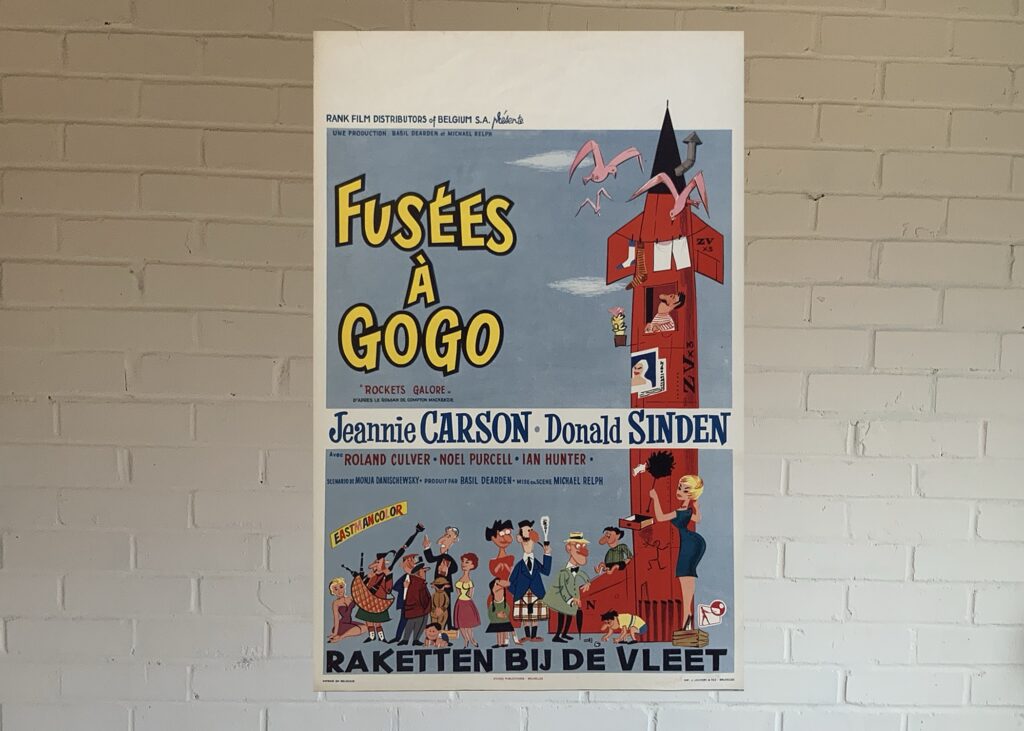
Unlocking the Past: The Enduring Importance of Ephemera & Why We Collect It
Imagine a world where history is only told through official decrees, grand architectural monuments, and the biographies of kings and queens. While these towering narratives offer vital understanding, they often miss a crucial, vibrant layer: the everyday lives, mundane concerns, fleeting joys, and quiet struggles of ordinary people. This is where ephemera steps in the unsung hero of historical documentation, the whispered secrets of the past, preserved not in marble, but on humble paper and other transient materials.
In a world increasingly digitized, the tactile thrill of holding a century-old concert ticket, a vintage advertisement, or a handwritten letter from an ancestor offers a profound connection that pixels can rarely replicate. Ephemera isn’t just old stuff; it’s a direct portal to the past, offering intimate glimpses into cultures, economies, and personal experiences that official histories often overlook. This blog post delves deep into the fascinating world of ephemera, exploring its enduring, often underestimated, importance and unraveling the intricate tapestry of reasons why we, as humans, are compelled to collect it.
What Exactly Is Ephemera? Defining the Transient Treasures
The term “ephemera” originates from the Greek word “ephemeros,” meaning “lasting only for a day” or “short-lived.” In the context of collecting and historical study, ephemera refers to printed or written materials, typically on paper, that were created for a specific, immediate purpose and were generally not intended to be preserved. They were designed to be used and then discarded, like a newspaper from yesterday or a ticket for a past event.
This inherent transience is precisely what makes them so valuable today. Because they weren’t considered important enough to save, their survival is often accidental, making each piece a rare glimpse into a moment that could have easily been lost forever.
Common examples of ephemera include:
- Advertisements and Promotional Materials: Posters, flyers, broadsides, product labels, direct mailers, trade cards, calendars.
- Tickets and Admissions: Concert tickets, train tickets, movie stubs, fair passes, ration coupons.
- Personal and Business Correspondence: Letters, postcards, invoices, receipts, business cards.
- Printed Entertainment: Playbills, programs, menus, trading cards, matchbook covers.
- Political and Social Commentary: Pamphlets, protest flyers, manifestos, voting ballots.
- Everyday Documentation: Tax forms, permits, checks, bank statements, membership cards, maps.
- Packaging: Food wrappers, tobacco pouches, textile tags.
- Photographs: Particularly informal snapshots, carte de visites, cabinet cards, and photo albums that document everyday life rather than formal portraits.
The key characteristic is their functional, temporary nature. Unlike books or archival documents meticulously curated for longevity, ephemera served its purpose and was then meant to vanish. Yet, it persisted, quietly accumulating in attics, scrapbooks, and forgotten corners, waiting to be rediscovered and to tell its powerful story.
The Unsung Historians: Why Ephemera Matters for Understanding the Past
The enduring importance of ephemera lies in its ability to paint a comprehensive, nuanced picture of history, filling in the vibrant details that official narratives often omit. It’s the micro-history that complements the macro-history, offering tangible evidence of daily life, cultural shifts, and individual experiences.
1. Illuminating Daily Life and Social History
Official histories tend to focus on grand events, political movements, and the lives of powerful individuals. Ephemera, conversely, is a direct window into the mundane, the ordinary, and the specific. It reveals how people lived, what they ate, what they wore, what they believed, and how they spent their leisure time.
- Consumer Culture: Old advertisements showcase evolving products, marketing strategies, social ideals, and even the changing role of women in society. A 1950s appliance ad, for instance, tells us not only about technological advancements but also about prevailing gender roles and aspirations for modern living.
- Economic Conditions: Receipts from local shops, price lists, or even ration books from wartime provide tangible evidence of economic conditions, inflation, typical salaries, and the availability of goods.
- Social Norms and Values: Political pamphlets reveal prevailing ideologies, moral codes, and public debates. Event programs highlight local community activities, philanthropic endeavors, and social hierarchies. Even simple etiquette guides or advice columns from old newspapers can offer insights into the expected behaviors and values of a particular era.
- Forgotten Voices: While official records might focus on the dominant narrative, ephemera often captures the voices of ordinary people, marginalized groups, or counter-culture movements. Protest flyers, underground press, or community newsletters can offer alternative perspectives and shed light on struggles and advocacy that might otherwise be undocumented.
2. Filling Gaps and Providing Authenticity in Grand Narratives
Historians and researchers often find that official records, while invaluable, can be incomplete, biased, or too generalized. Ephemera serves as a powerful corrective, adding context, detail, and undeniable authenticity.
- Primary Source Evidence: A handwritten letter from a soldier, a civilian’s diary entry on a scrap of paper, or a specific permit issued during a historical event offers a raw, unfiltered perspective. It’s a direct artifact from the moment, untainted by later interpretation or editing.
- Local History: Many significant historical moments have a local impact that’s not captured in national archives. Local flyers for town meetings, church bazaars, or school plays provide essential details about community life and how larger events resonated at a grassroots level.
- Pre-Digital Era Documentation: Before the internet, social media, and widespread digital archiving, every piece of paper was a potential record. Without the myriad tickets, flyers, and pamphlets that documented events, much of our understanding of 19th and early 20th-century entertainment, political rallies, and daily commerce would be lost.
3. A Window into Culture, Art, and Design History
Ephemera is a treasure trove for understanding the evolution of art, graphic design, typography, and printing technology. These fleeting pieces were often at the forefront of stylistic trends.
- Graphic Design Evolution: From ornate Victorian trade cards with intricate illustrations to bold Art Deco posters, psychedelic concert flyers of the 1960s, and minimalist corporate branding of today, ephemera traces the history of visual communication. It demonstrates changes in layout, color palettes, imagery, and the psychological impact of design.
- Typography: The diverse range of fonts used on advertisements, product labels, and event programs offers a practical history of typography, showcasing popular typefaces of different eras and how they were applied in commercial contexts.
- Printing Technology: The quality of the paper, the method of printing (letterpress, lithography, offset), and the registration of colors can tell a story about technological advances in the publishing industry. Early ephemera often utilized intricate and labor-intensive printing methods, which are fascinating in themselves.
- Cultural Trends: Movie posters, record album covers (often considered ephemera for their transient packaging nature), and fashion advertisements capture the essence of various cultural movements, musical genres, and stylistic shifts.
4. The Tangible Link: A Connection to the Human Experience
Perhaps one of the most profound aspects of ephemera is its ability to forge a direct, tangible link to the past. Holding a program from a performance attended by your great-grandparents, or a menu from a restaurant they frequented, isn’t just about reading words; it’s about touching an object they once touched, breathing the same air, in a sense. This tangibility offers a unique emotional and sensory experience.
- Sensory Connection: The smell of aged paper, the feel of embossed printing, the faded ink – these sensory details transport us in a way that digital reproductions cannot. They add layers of authenticity and immediacy to our understanding of the past.
- Empathy and Humanization: When we encounter a piece of ephemera, especially something personal like a handwritten note or a child’s report card, it humanizes history. It reminds us that behind every grand event were individuals with their own hopes, fears, and daily routines. It fosters empathy and a deeper appreciation for the human experience across time.
The Irresistible Pull: Why We Become Custodians of Ephemera
Given its fragile nature and its original purpose for discard, why do so many people dedicate themselves to collecting, preserving, and studying ephemera? The reasons are as diverse and intricate as the items themselves, blending intellectual curiosity with deep emotional connections and a fundamental human desire to understand and connect with the past.
1. The Power of Nostalgia and Personal Connection
For many, the journey into collecting ephemera begins with a deeply personal resonance.
- Recalling Childhood: A vintage toy commercial, a school report card, or a candy wrapper from their youth can trigger a flood of memories and emotions. This “Proustian rush” reconnects individuals to their own personal history, a tangible link to formative years.
- Family History: Discovering old letters, family photographs, birth announcements, or even mundane receipts from ancestors offers an intimate glimpse into their lives, struggles, and triumphs. It builds a bridge across generations, helping individuals understand their roots and their place in a larger family narrative. These items often become cherished family heirlooms, providing context and stories that oral traditions alone cannot sustain.
- Connecting to a Shared Past: Even ephemera from a period before one’s own lifetime can evoke a sense of shared human experience. A WWI-era propaganda poster might not be from your family, but it connects you to a collective past, a national or global narrative that resonates emotionally.
2. The Thrill of the Hunt and Discovery
Collecting ephemera is often likened to a treasure hunt, and for good reason. The thrill of discovery is a powerful motivator.
- Serendipity: Ephemera often turns up in unexpected places – forgotten boxes in an attic, dusty corners of antique shops, or buried within old books. The element of surprise, of stumbling upon a rare or perfectly preserved piece, is immensely satisfying.
- Piecing Together a Story: Collectors often specialize in a particular niche (e.g., specific advertising, women’s suffrage materials, early aviation tickets). Each new acquisition is like a puzzle piece, adding to a more complete narrative, enriching their understanding of their chosen area. The research involved in dating, authenticating, and contextualizing an item is part of the joy.
- The Uniqueness Factor: Unlike mass-produced books, many pieces of ephemera were printed in limited runs or were highly localized. Finding a pristine copy of a rare item, knowing its scarcity, adds to its allure and the collector’s pride.
3. Intellectual Curiosity and Academic Research
For historians, sociologists, designers, and cultural studies scholars, ephemera is not just a hobby; it’s essential primary source material.
- Unveiling Undocumented Histories: As discussed, ephemera provides unique insights into aspects of the past that are poorly documented elsewhere. Researchers can analyze advertising to understand consumer psychology, study political pamphlets to trace ideological shifts, or examine programs to reconstruct social events.
- Design and Art History: Graphic designers and art historians use ephemera to study the evolution of styles, trends, typography, illustration, and printing techniques. It offers practical, real-world examples of design principles in action across different eras.
- Material Culture Studies: Ephemera is a cornerstone of material culture studies, which examines the relationship between people and their things. These objects reveal how societies produced, consumed, and discarded items, reflecting values, technologies, and social structures.
- Verification and Context: Researchers use ephemera to verify facts, add context to existing knowledge, and sometimes even challenge long-held historical assumptions. An obscure flyer might confirm a date, location, or attendee list that was previously uncertain.
4. The Aesthetic Appreciation
Many pieces of ephemera are, quite simply, beautiful.
- Artistic Merit: From richly illustrated Victorian-era trade cards to stunning Art Nouveau posters or vibrant mid-century modern packaging, many items of ephemera are miniature works of art. Collectors appreciate the craftsmanship, the quality of the engraving, the vibrant colors, and the artistic talent involved in their creation.
- Design Excellence: Beyond fine art, there’s an appreciation for effective, innovative, or representative design. A well-designed product label, a cleverly worded advertisement, or an elegant menu card can be admired for its functional aesthetics and its ability to communicate effectively within its time.
- Visual Storytelling: Even simple pieces can tell complex stories through their visual elements. The imagery, typography, and layout work together to convey messages that transcend mere words.
5. Preservation and Legacy: Becoming a Custodian of the Past
For many collectors, the motivation is deeply tied to a sense of responsibility – the desire to save these fragile remnants for future generations.
- Preventing Loss: Recognizing the inherent transience of ephemera, collectors step in where others have overlooked. They rescue items from disposal, ensuring that these small but significant slices of history are not lost forever.
- Ensuring Access: Many private collections eventually find their way into public institutions like libraries, museums, or historical societies, thus making these valuable resources accessible to researchers and the public. Collectors often see themselves as temporary custodians, gathering and organizing materials that will ultimately serve a broader purpose.
- Building a Personal Archive: For some, collecting is about creating a personal, thematic archive. This isn’t just random accumulation; it’s a deliberate act of organizing, categorizing, and contextualizing items around a specific interest, forming a unique body of knowledge and primary sources.
6. Investment and Economic Value (Often Secondary)
While often not the primary motivator, the potential for financial gain exists and can become a factor for some collectors.
- Rarity and Condition: As with any collectible, rarity and condition significantly influence value. A unique design, a limited print run, or an item associated with a significant event, especially in pristine condition, can command high prices.
- Historical Significance: Items connected to major historical figures, pivotal events, or significant cultural movements tend to be more valuable.
- Market Demand: The popularity of certain collecting niches can drive demand and, consequently, value. Vintage advertising, specific pop culture ephemera, or early postal history are examples of areas with active markets.
- However, most ephemera collectors are driven by passion, research, and preservation rather than pure investment. The joy of discovery and the intellectual reward far outweigh speculative financial gains.
The Collector’s Journey: Challenges and Responsibilities
Collecting ephemera is not without its challenges and responsibilities. The very qualities that make it valuable – its fragility and transience – also demand careful stewardship.
- Preservation and Conservation: Paper is inherently vulnerable. It’s susceptible to acid deterioration, light damage (fading), humidity (mold), dryness (brittleness), and pests. Responsible collectors must invest in proper storage solutions:
- Acid-free materials: Sleeves, folders, and boxes that won’t leach harmful chemicals into the paper.
- Controlled environment: Stable temperature and humidity, away from direct sunlight.
- Careful Handling: Wearing gloves, avoiding tape, glue, or laminating.
- Understanding Conservation: Knowing when to undertake minor repairs or seek professional conservation, and when to leave an item in its “found” state to preserve its authenticity.
- Documentation and Provenance: To maximize the historical value of a collection, thorough documentation is crucial. This includes recording:
- Date and place of acquisition: When and where the item was found or purchased.
- Provenance: Any known history of ownership.
- Contextual information: Who created it, for what purpose, what event it relates to, any associated stories. This information enriches the item’s story and aids future researchers.
- Space and Organization: Ephemera, especially when collected in quantity, requires significant space and systematic organization. Developing a cataloging system, whether physical or digital, is essential for navigating a growing collection.
- Ethical Considerations: Collectors have a responsibility to acquire items ethically, ensuring they are not contributing to the illicit trade of stolen artifacts or historical documents. Understanding copyright and intellectual property rights related to the items can also be important.
Conclusion: Our Shared Responsibility to the Ephemeral Past
Ephemera, these “things lasting only for a day,” ironically prove to be some of the most enduring and vital records of human history. They offer a unique, deeply personal, and authentic lens through which to view the past, enriching our understanding far beyond what official accounts alone can provide. From the mundane receipt to the vibrant advertisement, each piece holds a whisper of a bygone era, a fragment of a life lived.