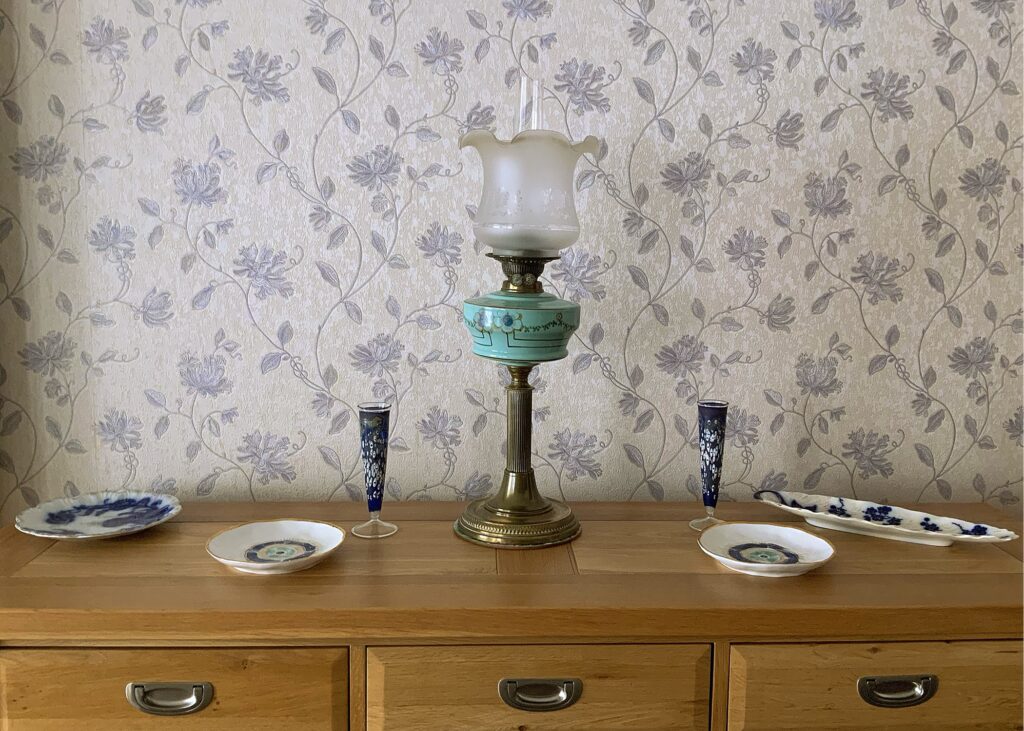
Decorating with Antique Brass & Glass Lighting: Why Victorian Pieces are Back in Demand
There’s a certain magic to walking into a room illuminated by the warm, flickering glow of a gas lamp. While our modern world runs on LED strips and smart bulbs, there’s a burgeoning design movement looking not forward, but backward, to recapture that enchanting ambiance. We are witnessing a powerful and elegant revival of Victorian-era lighting, specifically pieces crafted from the timeless duo of antique brass and glass.
Once relegated to dusty antique shops or the homes of dedicated period purists, these exquisite fixtures are now commanding center stage in contemporary interiors. They are no longer seen as relics of a bygone era but as statement pieces that bring history, craftsmanship, and unparalleled character into our living spaces. But why now? What is driving this surge in demand for lighting that hails from the age of steam and industry?
This deep dive will explore the irresistible allure of antique brass and glass lighting, uncover the reasons behind their triumphant return, and provide expert tips on how to seamlessly integrate these stunning Victorian pieces into a modern home.
A Brief Flicker of History: The Victorian Lighting Revolution
To truly appreciate these pieces, we must first understand their origins. The Victorian era (1837-1901) was a time of immense technological and social change, and lighting was at the heart of it. The shift from candlelight to gaslight, and later to early electric light, was nothing short of revolutionary.
Early Victorian homes were lit by candles and oil lamps. But with the widespread adoption of gas lighting in the mid-19th century, interior design was transformed. For the first time, homes could be brightly and reliably illuminated, leading to an explosion of new fixture designs. Glass shades were developed to diffuse the harsh gas flame, often with intricate patterns like hobnails, daisies, or fluting to scatter the light beautifully.
Brass was the material of choice for its durability, workability, and its natural resistance to tarnishing from gas fumes. Skilled artisans and foundries, particularly in Birmingham and London in the UK, produced everything from simple wall sconces to elaborate multi-arm chandeliers.
When electricity began to replace gas toward the end of the era, many gas fixtures were simply converted, their elegant forms given a new lease on life. This rich history is embedded in every piece, a narrative of innovation and artistry that mass-produced modern lighting simply cannot replicate.
Why Antique Brass and Glass are Dominating Modern Interiors
The comeback of these fixtures isn’t a random fluke of fashion. It’s a calculated response to several key trends in how we live and decorate today.
1. The Craving for Authenticity and Craftsmanship
In our age of disposable, flat-pack furniture and identical big-box store finds, there is a growing hunger for objects with a story. A Victorian antique brass chandelier isn’t just a light source; it’s a piece of history. It was hand-turned, cast, polished, and assembled by a craftsperson over a century ago. The slight imperfections, the weight of the solid brass, the unique patina that only time can create—these qualities speak of a level of artisan craftsmanship that is rare and highly valued today. In a world of copies, people are investing in originals.
2. The Warm, Ambient Glow
Modern lighting often prioritizes clinical, bright, cool-white functionality. Victorian lighting, by its very nature, offers the opposite. The combination of warm, golden antique brass and the light-diffusing quality of opaline glass or frosted glass creates an incredibly warm, inviting, and ambient glow. It’s flattering, intimate, and instantly makes a room feel cozy and “lived-in.” This shift away from harsh overhead lighting towards layered, atmospheric lighting schemes is a cornerstone of current interior design, and these antique pieces are masters of the craft.
3. The Perfect Antidote to Minimalism
The stark, all-white, minimalist trend is gracefully making way for more expressive and personalized styles like Grandmillennial, Maximalism, and Modern Victorian. These styles embrace pattern, texture, history, and collected-ness. A statement antique glass pendant light or a pair of brass wall sconcesadds instant architectural interest and a focal point that prevents a space from feeling too sterile or new. They provide the “soul” that many modern interiors lack.
4. Sustainability and the “Green” Choice
Buying antique is one of the most sustainable decorating choices you can make. It’s the ultimate form of recycling. Instead of consuming new energy and resources to create a new product, you are preserving and giving new life to a existing object of quality. Choosing a vintage Victorian light fixture is a conscious decision to reduce waste and own something built to last for centuries, not just seasons. This eco-conscious mindset is a major driver for a new generation of interior design enthusiasts.
5. Versatility and Eclectic Style
Perhaps the most surprising reason for their popularity is their sheer versatility. While they look stunning in a fully period-appropriate home, their true magic is revealed when mixed with modern elements. The warm metallic tone of antique brass pairs beautifully with contemporary colors like sage green, navy blue, and even bold blacks. It can soften the hard edges of an industrial loft or add a touch of historical gravitas to a Scandinavian-inspired space. This ability to play well with others makes them a incredibly flexible design tool.
A Glossary of Victorian Lighting Styles
Navigating the world of antique lighting can be daunting. Here’s a breakdown of key styles and terms you’ll encounter:
- Gasoliers: The original gas-powered chandeliers. Many were later converted to electricity. They often feature multiple arms and intricate detailing.
- Chandeliers: Multi-arm ceiling fixtures, often grandiose and designed as the centerpiece of a room.
- Pendant Lights: Single-light fixtures that hang from the ceiling, often over a table or in a hallway. Hallway pendants with long drops are particularly sought after.
- Wall Sconces: Brackets mounted on the wall, used for ambient lighting in hallways, beside fireplaces, or flanking mirrors. Antique brass wall sconces are a perfect entry point into Victorian lighting.
- Opaline Glass: A opaque, milky white glass that was hugely popular for its excellent light-diffusing qualities. It’s a hallmark of the era.
- Hobnail Glass: Glass with a regular pattern of raised bumps or “nails,” designed to catch and refract the light beautifully.
- Vegan Shades: Not what you think! These are a specific type of fluted, inverted glass shade, often seen on pendant lights.
How to Incorporate Victorian Lighting in Your Home: A Room-by-Room Guide
Convinced of their charm but unsure where to start? Here’s how to harness the power of antique brass and glass throughout your home.
The Dining Room: The Statement Chandelier The dining room is the classic home for a Victorian chandelier. Hang it low over your dining table to create an intimate, convivial atmosphere for meals. The warm glow will make food look more appealing and guests feel more relaxed. Choose a size proportionate to your table and room—a four or five-arm gasolier is a classic choice.
The Kitchen: The Unexpected Pendant Move over, farmhouse lanterns! An antique glass pendant light hung over a kitchen island introduces incredible character and softens a potentially clinical space. Imagine a large, milky-white opaline shade glowing above a modern marble countertop—it’s a breathtaking contrast of old and new. Pair two or three in a row for a bigger impact.
The Hallway and Stairwell: Making a Grand Entrance A long hallway or a multi-story stairwell is the perfect vertical space for a stunning hallway pendant light with a long chain or rod. It provides essential illumination while acting as a magnificent architectural feature that welcomes you home. Wall sconces mounted along the hallway can complement the pendant and enhance the ambient glow.
The Living Room: Layered Ambiance Use antique brass wall sconces to flank a fireplace or a large piece of art, adding symmetry and a warm wash of light. A smaller chandelier or pendant can serve as a beautiful alternative to a modern ceiling fixture, especially in a living room with high ceilings.
The Bathroom: A Touch of Vintage Glamour Yes, even the bathroom! A converted gaslight sconce mounted on either side of a mirror provides perfect, shadow-free lighting for grooming. Ensure any fixture used in a bathroom is properly certified for safe use in damp zones by a qualified electrician.
Practical Considerations: Buying and Converting Antique Lights
1. Wiring and Safety: This is non-negotiable. Never plug in an unconverted antique light. Old wiring is brittle, dangerous, and a serious fire hazard. Always have any antique fixture professionally rewired for modern electrical standards by a qualified and experienced electrician. They will ensure it is properly earthed (grounded) and safe to use. This process is an essential part of the investment.
2. Where to Source Your Pieces:
- Specialist Antique Dealers: Often the best source for high-quality, expertly restored pieces. You pay a premium, but you often get a guaranteed, ready-to-hang fixture.
- Online Auctions (eBay, Etsy): A treasure trove, but buyer beware. Scrutinize photos, ask questions about condition, and understand that you will likely need to budget for professional rewiring.
- Architectural Salvage Yards: These are fantastic places to find unique pieces with real character. You might find a diamond in the rough that just needs a little love.
- Reproduction Pieces: If the hunt and potential restoration feel daunting, many excellent lighting companies now produce high-quality reproduction Victorian lightingthat captures the aesthetic with modern wiring and conveniences.
3. Embracing the Patina: The charm of antique brass lies in its lived-in patina—a variegated surface of dark shadows, warm gold, and hints of green. Resist the urge to polish it to a bright, shiny finish. You want that depth and history to show. Simply dust it regularly and wipe it gently with a soft, damp cloth if needed.
Light of the Past, Bright Future
The resurgence of Victorian antique brass and glass lighting is more than a trend; it’s a design evolution. It represents a collective desire for homes that feel warm, layered, and authentic—homes with a story to tell. These magnificent fixtures are not just relics; they are functional sculptures that connect us to the past while illuminating our present in the most beautiful way possible.
They remind us that good design is timeless, that craftsmanship matters, and that the best light by which to live is one that is warm, welcoming, and filled with history. So, whether you start with a single, humble wall sconce or go all-in with a magnificent gasolier, you are not just buying a light fixture. You are investing in a piece of art, a fragment of history, and the undeniable, warm glow of a bygone era, perfectly suited for today.