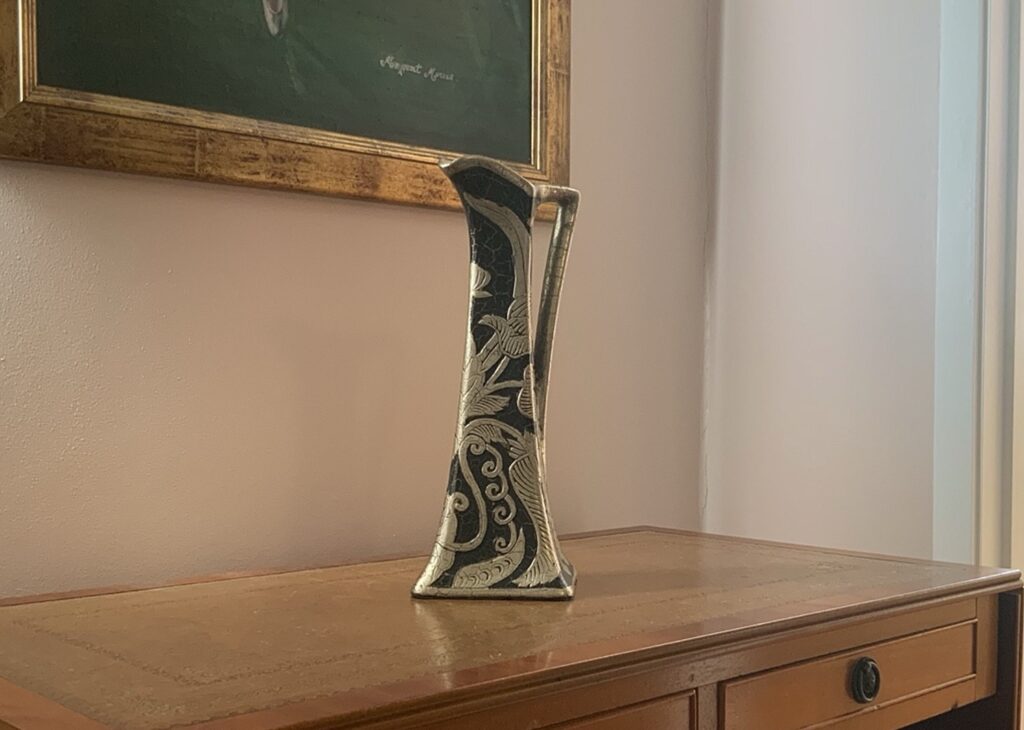
Treasures from Spain: A Spotlight on Spanish Prints, Carved Figures and Wine Jugs
Discover the vibrant heritage, artistic mastery, and timeless charm of Spain’s most treasured crafts.
Introduction – Why Spanish Artifacts Still Captivate the World
When you think of Spain, images of flamenco dresses, sun‑kissed beaches, and historic cathedrals often spring to mind. Yet, beneath the surface of this Mediterranean jewel lies a trove of Spanish prints, carved figures, and wine jugs that have dazzled collectors, designers, and cultural enthusiasts for centuries. These three art forms—each rooted in regional traditions, religious devotion, and everyday life—form a triumvirate of Spanish craftsmanship that continues to inspire contemporary décor, museum exhibitions, and global markets.
In this deep‑dive, we’ll explore:
- The rich history and key styles of Spanish prints (from Baroque etchings to modern graphic art).
- The symbolism, technique, and regional flair behind Spanish carved figures—including wood, ivory, and stone sculptural traditions.
- The functional beauty and cultural significance of Spanish wine jugs, from the classic jarra de vino to the colorful ceramic jarritos of Andalusia.
By the end of this post, you’ll understand why these artifacts are not just decorative objects, but living testimonies of Spain’s artistic soul. Let’s embark on a journey through the treasures of Spain.
1. Spanish Prints – Ink, Imagination, and Influence
1.1 A Brief History of Spanish Printmaking
Printmaking entered the Iberian Peninsula during the late Gothic period, but it truly flourished in the 16th and 17th centuries, when the demand for religious imagery and political propaganda surged. Spanish printmakers embraced engraving, etching, lithography, and later serigraphy, each technique reflecting unique social currents.
- Engraving (grabado): Popularized by the Alonso Berruguete school, early engravings depicted biblical scenes with meticulous detail.
- Etching (grabado al aguafuerte): Mastered by the brilliant Francisco de Goya, who turned the medium into a vehicle for satire and social commentary.
- Lithography (litografía): Adopted in the 19th century by Julián de la Herrería, who captured the burgeoning industrial landscape.
These mediums allowed artists to reproduce works quickly, disseminating Spanish culture throughout Europe and the New World.
1.2 Iconic Spanish Print Artists
Artist | Era | Signature Technique | Notable Works |
Francisco de Goya | 1746‑1828 | Etching & aquatint | Los Caprichos (1799), The Disasters of War(1810‑1820) |
Juan de la Cruz Cano | 1700‑1760 | Engraving | Series of the Virgin of Guadalupe |
José Gutiérrez Solana | 1886‑1945 | Lithography | La vida en el pueblo series |
Pablo Picasso | 1881‑1973 | Serigraphy (1930s) | Tête de femme (1930) |
Javier Pérez | Contemporary | Digital printmaking | Café de la Vida (2022) |
1.3 Themes that Define Spanish Prints
- Religious Devotion – From the Counter‑Reformation’s demand for didactic imagery to modern reinterpretations of saints, Spanish religious prints remain a beloved genre.
- Political Satire – Goya’s Los Caprichos lampooned corruption, while 20th‑century cartoonists such as Julián de la Herrería targeted fascist regimes.
- Everyday Life – Lithographs of bustling tapas bars, bullfighting arenas, and café culture reflect Spain’s vibrant street scene, making them perfect for interior design accents.
- Landscape & Architecture – Detailed prints of Alhambra, Sagrada Família, and Camino de Santiago celebrate the nation’s architectural achievements.
1.4 Collecting Spanish Prints – A Guide for Beginners
- Authenticity: Verify provenance. Look for artist’s signature, printer’s marks, and documented exhibition history.
- Condition: Inspect for paper acidity, tears, water damage, and fading. Proper framing with UV‑protective glass preserves color integrity.
- Value: Limited editions and original plates command higher prices. Goya’s prints, for instance, can fetch six‑figures at auction.
Pro tip: Pair a Spanish print with a hand‑carved wooden figurine or a ceramic wine jugto create a cohesive, culturally rich display.
2. Spanish Carved Figures – From Sacred to Secular
2.1 Carving Traditions Across Spain
Carving is an ancient craft that flourished in the castles of Castile, the woodlands of Galicia, and the olive groves of Andalusia. Spanish artisans have worked with cork, olive wood, boxwood, almond wood, and stone to create figures ranging from religious iconsto folk miniatures.
- Galician xilogravura – Intricate wood reliefs that depict the Camiño de Santiagopilgrimage.
- Andalusian torno (turning) – Mastery in shaping cork for ceremonial wine jugs and decorative ornaments.
- Catalan escultures de marxa – Stone-carved figures representing Catalan legendsand Barcelo’s modernist motifs.
2.2 Iconic Carved Figures and Their Symbolism
Figure | Material | Region | Symbolic Meaning |
Santo Niño de la Roca | Olive wood | Andalusia | Protection & fertility |
El Niño Dios (Christ Child) | Ivory (historical) | Castilla | Devotion during Christmas |
La Virgen de los Reyes | Boxwood | Galicia | Motherhood & intercession |
Tótems de la feria | Cork | Valencia | Celebration of agricultural bounty |
Mujeres de la Lucha | Stone | Catalonia | Feminine strength & resistance |
These carved figures often occupy altars, processional floats, and public plazas, connecting viewers to centuries of collective memory.
2.3 Techniques that Make Spanish Carving Unique
- Sculptural Turning (Torno) – A lathe‑driven method that gives a smooth, symmetrical finish, widely used for cork wine jugs and olive‑wood candlesticks.
- Low‑Relief Carving (Boceto) – Creates delicate background patterns behind the main subject, typical in Baroque altarpieces.
- Polychrome Painting – After carving, figures are often painted with bright enameland gilded to accentuate details—a practice inherited from Spanish colonial art.
- Inlay & Marquetry – Some pieces integrate ivory, mother‑of‑pearl, or metal into the wood for a luxurious finish, especially in royal commissions.
2.4 Where to Find Authentic Spanish Carved Figures
- Mercado de la Alianza, Madrid – Annual fair featuring artisan workshops.
- Feria de la Caza, Seville – Showcases cork carving and wine jug artistry.
- Museo del Greco, Toledo – Historic collection of Renaissance wood carvings.
- Online Galleries – Reputable platforms such as Artsy and Saatchi Art now host Spanish sculptors showcasing limited‑edition pieces.
3. Spanish Wine Jugs – Pouring History into the Glass
3.1 The Cultural Role of Wine Jugs in Spain
Wine is more than a beverage in Spain; it’s a cultural cornerstone. From the Rioja vineyardsto the sherry bodegas of Jerez, the wine jug (jarra) becomes a ceremonial vessel that celebrates festivals, family gatherings, and religious rites. While modern wine glasses dominate today’s tables, the Spanish wine jug remains a symbol of hospitality and tradition.
Key Functions
- Ritual Pouring – During Bodas (weddings) and Bautizos (baptisms), a large jug is passed from elder to younger generations, symbolizing continuity.
- Festival Displays – In La Feria de Abril (Seville), ornate jugs are placed on tables as décor, reflecting the region’s flamboyant spirit.
- Architectural Ornament – Many tapas bars display vintage jarras on walls, merging functional art with interior design.
3.2 Types of Spanish Wine Jugs
Type | Material | Region | Distinctive Feature |
Jarra de Barro | Terracotta | Castilla‑La Mancha | Rustic glaze with earthy tones |
Cork Jarra | Cork | Andalusia | Lightweight, cork‑carved motifs |
Ceramic Jarro(Azulejo) | Glazed ceramic | Valencia | Bright, patterned tiles (azulejos) |
Silver Jarrito (Gilded) | Silver | Catalonia | Intricate filigree and embossing |
Glass Vaso de Vino(Blown) | Glass | All over Spain | Transparent, often etched with vines |
Each jug reflects the local resources and aesthetic preferences of its origin. For example, cork jugs from Andalusia echo the region’s abundant cork oak forests, while terra cotta jars from Castilla‑La Mancha mirror the earth’s warm hues.
3.3 Design Motifs & Symbolism
- Vine & Grapevine Patterns – Signify abundance, fertility, and the Spanish viticultural heritage.
- Floral Embroideries – Often inspired by Andalusian roses, representing love and passion.
- Geometric Azulejo Tiles – Reflect Moorish influence, showcasing intricate tileworkand blue‑white color palettes.
- Religious Icons – Some jugs feature the Virgin of Guadalupe or St. James, blending secular and sacred worlds.
3.4 Collecting and Caring for Spanish Wine Jugs
- Authenticity Check: Look for artisan’s mark, regional stamps, and any historical documentation.
- Condition: Evaluate for cracks, fading glaze, or cork deterioration. Preserve cork jugs in low‑humidity environments.
- Display Tips: Use wooden stands or glass cabinets with ambient lighting to enhance the jug’s colors. Pair a cork wine jug with a Spanish print of a vineyard for a thematic vignette.
4. Bringing Spanish Prints, Carved Figures, and Wine Jugs Into Your Home
4.1 Curating a Spanish‑Inspired Gallery Wall
- Centerpiece Print – Hang a large Goya etching or a modern Spanish lithograph as the focal point.
- Supporting Carved Figures – Flank the print with small hand‑carved wood saints or stone animal figures for depth.
- Wine Jug Accent – Position a cork wine jug on a low shelf below the artwork, perhaps filled with decorative wine-colored glass beads for an added pop.
Pro tip: Keep the color palette cohesive—earthy terracotta, deep reds, and muted golds echo Spain’s warm palette.
4.2 Styling Tips for Different Spaces
Space | Recommended Items | Layout Idea |
Living Room | Large terra cotta wine jug, Goya print, olive‑wood carved saint | Create a coffee‑table centerpiece with the jug, a decorative tray, and the print leaning against it. |
Dining Room | Cork jarra, ceramic azulejo tiles, Spanish landscape lithograph | Use the jarra as a vase for fresh herbs; line the table runner with azulejo‑inspired placemats. |
Home Office | Contemporary Spanish print, miniature stone figure, silver jarrito | Hang the print above the desk, place the stone figure on a shelf, and keep the jarrito as a stylish pen holder. |
Patio/Outdoor | Weather‑proof terracotta jug, large carved wooden sculpture, outdoor‑rated print | Position the jug near a garden bench; illuminate the carved sculpture with solar lights. |
4.3 Sustainable Shopping—Support Artisans Directly
- Co‑operatives: Many villages have artisan cooperatives that sell directly from workshops, ensuring fair wages.
- Online Marketplaces: Look for “Made in Spain” tags on platforms like Etsy, Novica, or Mandalay Bay Artisan.
- Museum Gift Shops: Major museums (e.g., Museo del Prado) often feature limited‑edition prints and handcrafted figurines by local artists.
By purchasing responsibly, you help preserve the living traditions behind Spanish prints, carved figures, and wine jugs for future generations.
5. Frequently Asked Questions (FAQ)
Q1: How can I verify the authenticity of a Spanish print?
A: Check for the artist’s signature, publisher’s imprint, and any provenance documentation. Reputable dealers will provide a certificate of authenticity.
Q2: Are Spanish carved figures always religious?
A: No. While many are devotional, there’s a vibrant secular tradition of folk figurines, mythical creatures, and agricultural motifs.
Q3: What is the best way to clean a cork wine jug?
A: Use a soft, dry cloth to dust away debris. Avoid water, as cork can absorb moisture and swell. If needed, a light brush with a cork‑safe cleaner will suffice.
Q4: Can I use a Spanish wine jug for everyday drinking?
A: Absolutely! Vintage jugs are sturdy enough for daily use, but avoid extreme temperature changes to preserve the glaze or cork.
Q5: Where can I learn more about Spanish print history?
A: Visit the Museo del Prado (Madrid), the Museo Nacional de Artes Gráficas (Madrid), or explore online archives such as the Digital Library of Spanish Art.
6. Conclusion – Celebrating Spain’s Timeless Artistry
From the dramatic chiaroscuro of Goya’s etchings, to the tactile whispers of hand‑carved wooden saints, and the rustic elegance of a cork wine jug, Spain’s artistic treasures weave a story of passion, faith, and community. By integrating these pieces into modern interiors, we not only décor‑enhance our spaces but also sustain a legacy that has shaped Spanish culture for centuries.
Whether you’re an avid collector, a design enthusiast, or simply someone who loves the rich tapestry of Spanish heritage, the world of Spanish prints, carved figures, and wine jugsoffers endless inspiration. Embrace these Spanish treasures, and let their stories pour into your home, heart, and imagination.
Ready to Start Your Spanish Collection?
Visit local artisan markets, explore museum shops, or browse online galleries for authentic Spanish prints, carved figures, and wine jugs. Each piece you acquire becomes a living fragment of Spain’s artistic soul—ready to be displayed, cherished, and shared for generations to come.